Scholarly infrastructure
Repositories, publishing platforms, open-access models, preservation, and the institutional systems that sustain the scholarly record.
I study research infrastructure as a connected system—from computational workflows and data standards to repositories, publishing platforms, governance, and the communities responsible for them.
Scientific knowledge depends on a chain of systems and decisions that is often treated as invisible: how data are described, how software is preserved, how workflows are recorded, how credit is assigned, and how research moves into the scholarly record.
My research makes that chain visible and then asks how it can be improved. I am interested in infrastructure that carries evidence and context across disciplinary and institutional boundaries—especially infrastructure that supports verification, responsible reuse, and long-term stewardship.
This work grows from my background in computational biology and software engineering. Problems I first encountered in genomics—fragmented data, unrecorded methods, fragile software environments, and disconnected publications—are now central to my work in research data and scholarly communication.
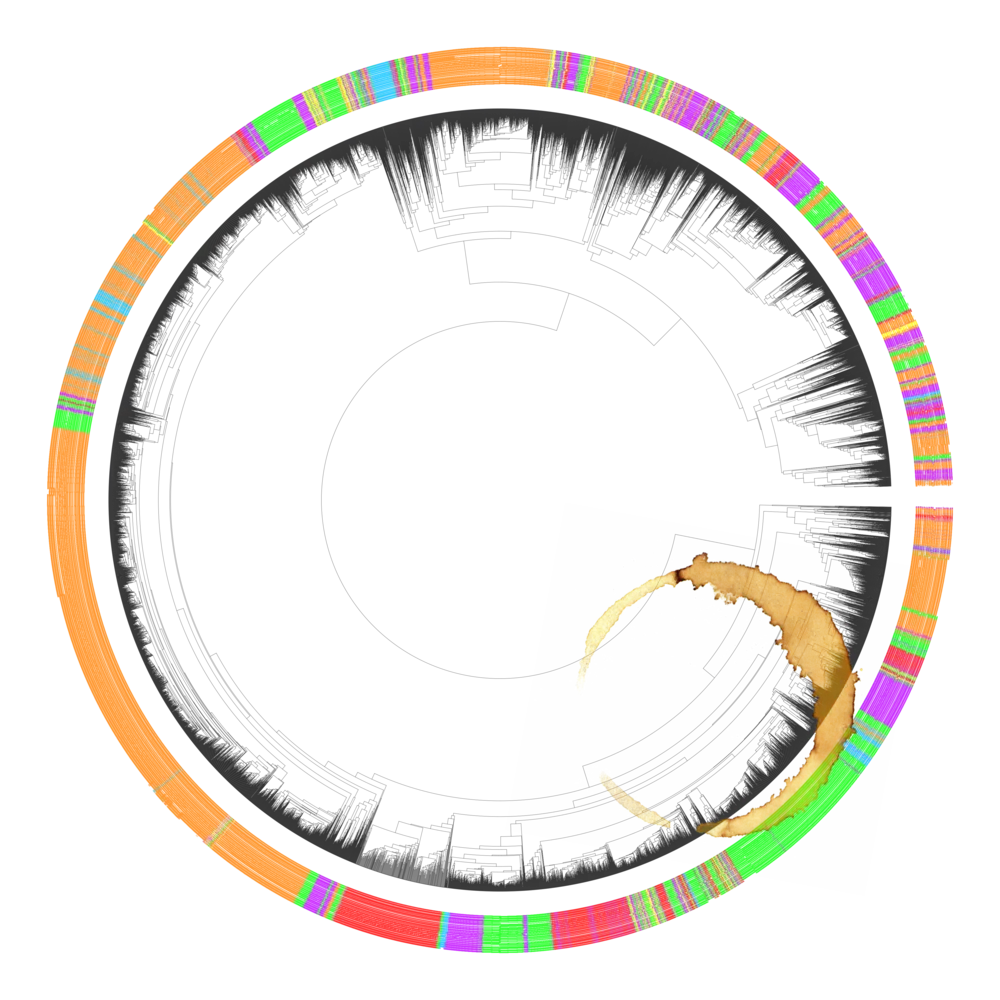
Repositories, publishing platforms, open-access models, preservation, and the institutional systems that sustain the scholarly record.
Executable workflows, software environments, provenance, benchmarks, research objects, and links between computation and publication.
Biocuration, metadata, persistent identifiers, data relationships, quality, documentation, and responsible machine use.
Cyberbiosecurity, research integrity, controlled access, data provenance, and resilient systems for sensitive scientific work.
Shared vocabularies, identifiers, and conventions are not administrative details. They determine whether data can be discovered, combined, interpreted, and trusted.
I contribute to community efforts in agricultural data, biodiversity genomics, scientific literature, and responsible data use. This includes work with AgBioData, i5k, the Research Data Alliance, BIO-ISAC, and community groups developing guidance for genome assembly nomenclature and FAIR scientific literature.
This is a selected list. The complete, maintained record is available through ORCID.
Toward standardization in arthropod and biodiversity genome projects
Guidelines for gene and genome assembly nomenclature
AgBioDatabase Finder: an online tool to help researchers find and submit agricultural genomic, genetic, and breeding data
System Security Assessment Plan Template
FAIR Header Reference genome: a TRUSTworthy standard
otb: an automated HiC/HiFi pipeline assembles the Prosapia bicincta genome
met v1: expanding on old estimations of biodiversity from eDNA with a new database framework
I am available for collaborative projects, student supervision, advisory work, research-data and repository planning, standards development, and research infrastructure design.